Last Updated: August 22 2026
What happens immediately after a Criminal Code impaired driving conviction in Ontario?
If you’re facing an impaired driving charge in Ontario, Lo Greco Law can explain the immediate legal and administrative impacts, including mandatory licence suspension starting at 90 days upon conviction, minimum one-year driving prohibition, fines, potential incarceration for prior offences, and interlock and Back on Track Program requirements, plus how police detention and breath or saliva testing powers can affect your case. With 30+ year experienced lawyer services and LSO tribunal representation, the lawyers at Lo Greco Law help you assess defences, challenge evidence, and prepare for trial based on the facts, including charges involving driving over 80 mg of alcohol, refusal to provide a breath sample, or cannabis impairment. Call (416) 488-4110 for a free 1/4 hour consultation and get clear next steps right away.
Add this website to Google Preferred Sources
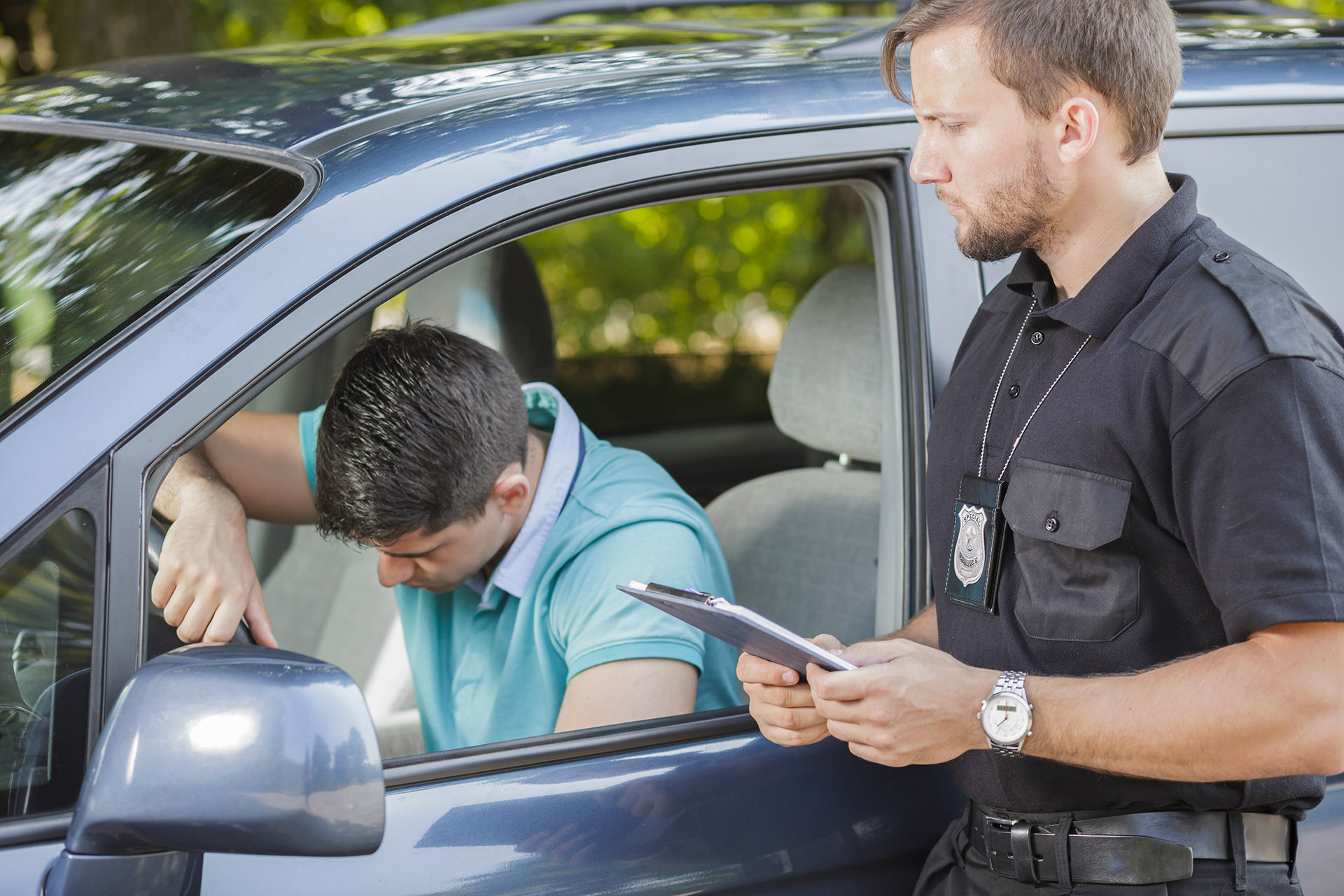 Impaired driving, including offenses such as driving with over eighty (80 mg) milligrams of alcohol, refusal to provide a breath sample, and driving impaired by cannabis, are all serious offenses under the Criminal Code of Canada. These laws aim to ensure public safety on roads by imposing strict penalties on offenders.
Note: Please contact Lo Greco Law by phone at: (416) 488-4110 to discuss any specific questions that you may have.
Consequences of a Conviction
Being convicted under the Criminal Code's impaired driving provisions has immediate and mandatory repercussions. Firstly, a driver's license is suspended for ninety days immediately upon conviction. Further legal consequences include:
- A minimum one-year loss of driving privileges.
- A mandatory fine starting from one thousand dollars.
- In cases of prior offenses, a mandatory prison sentence and extended license revocation period.
- Requirement to install an interlock device and participation in the Back on Track Program by the Ministry of Transportation (MTO).
- Significant increase in insurance premiums, potentially up to six times the current rate for the next five to seven years.
Enhanced Police Powers in Impaired Driving Cases
The Criminal Code grants police officers expanded powers in cases of impaired driving. This includes broader authority for detention, arrest, and search and seizure operations without a warrant. Police can demand breath samples to measure blood alcohol levels using specialized detection instruments.
Cannabis Impairment and Legal Implications
Recent amendments to the Criminal Code address cannabis impairment. Law enforcement now has the authority to:
- Demand saliva samples for THC concentration screening.
- Require the performance of physical sobriety tests.
- Request blood or urine samples for detailed analysis.
Impairment by cannabis is treated as a criminal offense, akin to alcohol-impaired driving, with similar penalties including a minimum one-year driving prohibition.
The Importance of Legal Representation
In such complex legal matters, engaging with a lawyer who has focused knowledge and experience in impaired driving cases is crucial. A proficient legal professional, with an extensive background in defending these offenses, is equipped to identify pertinent issues and navigate a successful defense strategy at trial.